

 English
 русский
 Español
 عربى
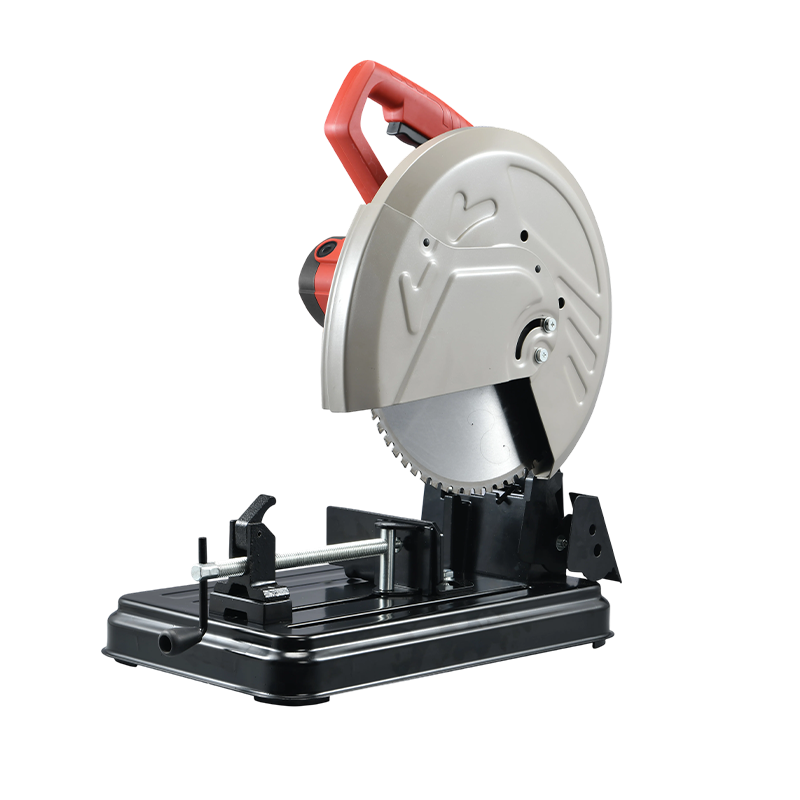

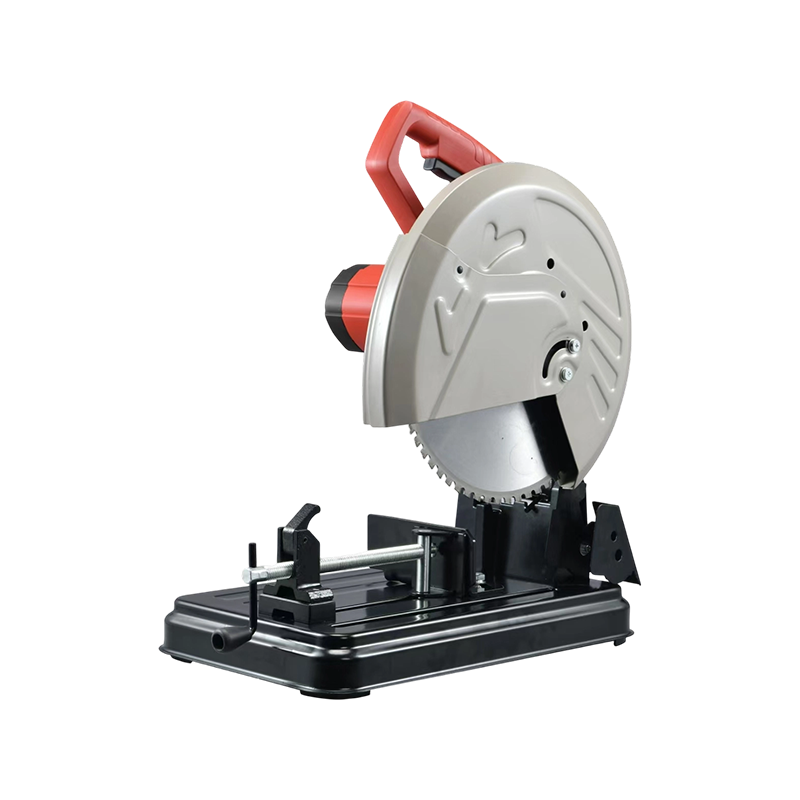



Cold Cut Saw: Working Principles, Metal Cutting Applications and Equipment Selection
Cutting metal is an everyday job in steel fabrication shops, metalworking plants and manufacturing lines. Getting a clean result is harder than it sounds. Heat discoloration, heavy burrs and wasted stock tend to show up when the cutting method, blade and machine don't suit the material, and solid bars and heavy profiles expose those mismatches quickly.
A cold cut saw takes a different route from abrasive cutting. A toothed blade shears the metal away in small chips, so the process doesn't rely on high-speed grinding. When the machine and blade are matched to the material, this can mean less heat in the workpiece, fewer sparks and a tidier cut face. For anyone buying or specifying equipment, from round bar to steel pipe, it pays to know how these machines actually work.
This guide covers the principles behind cold cutting, sets cold cut saws against abrasive cut-off machines, and lists what to check before choosing a metal cutting machine.
How Does a Cold Cut Saw Work in Metal Cutting Applications?
What Is a Cold Cut Saw?
A cold cut saw is a metal-cutting machine built around a circular, toothed blade. Each tooth shears off a small amount of material, and the cut is made by repeating that action. An abrasive cut-off machine works differently. Its wheel wears through the metal by friction.
"Cold" is a relative term here. The process still produces heat. What it means is that less heat travels into the workpiece than with abrasive grinding.

Machines vary in blade material, tooth layout and running speed. The result you get depends on how blade geometry, cutting speed, feed pressure and the material's properties work together.
Working Principle of Metal Cold Cut Saws
The motor spins the blade at a set speed. The operator places the workpiece against the fence and clamps it down, then brings the blade through the material.
As the teeth bite in, each one lifts a small chip. The chips are carried out of the cut as the blade turns.
Five variables shape the outcome:
- Rotational speed: It has to suit both the blade specification and the material.
- Feed pressure: Too much load strains the teeth. Too little slows the cut down.
- Blade geometry: Tooth shape, spacing and blade material decide how chips form and how the blade performs.
- Workpiece stability: Solid clamping keeps the part from shifting, vibrating or producing an uneven cut.
- Material properties: Hardness, thickness and cross-section shape all change how the cut behaves.
When these are balanced, the cut stays steady and repeatable.
Low-Speed, High-Torque Cutting Technology
Many traditional metal cold cut saws run at fairly low blade speeds and pair that with high torque. The torque keeps the cutting force up while the teeth work through solid sections.
Exact speed and torque needs depend on the machine's structure, the motor, the blade diameter and the material.
Solid bar and thin-walled tube make a useful contrast. In a solid bar, the teeth stay in contact with a lot of material for the whole stroke. In a thin tube, they cut through a little, leave the metal, then re-enter it.
That is why the rated cutting capacity matters most when you shop for a round bar cutting machine. Motor power or blade diameter alone won't tell you whether the machine can do the job.
The Role of Carbide-Tipped and Other Metal Cutting Blades
The blade is among the most important parts of the machine. Different blade materials and tooth patterns suit different cutting conditions.
Common blade types:
- High-Speed Steel (HSS) Blades: Used in some traditional cold saw systems. They are tough and handle repeated cutting well.
- Carbide-Tipped Blades: They carry carbide tips and run on compatible machines. Hard, wear-resistant teeth make them a fit for particular applications.
- Specialized Metal Cutting Blades: Certain steel grades, profiles or wall thicknesses call for blades designed specifically for them.
Before installation, confirm the blade diameter, bore size, maximum rated RPM, tooth pitch and material compatibility.
A carbide-tipped blade is not a universal upgrade. It must conform to the machine manufacturer's specifications and the intended application.
How Cold Cutting Helps Reduce Heat and Burr Formation
Limiting heat around the cut is one of the main reasons shops look at cold cutting.
A toothed blade makes chips. Abrasive grinding relies on constant friction. That difference in mechanism is what changes the thermal behavior.
With the right blade and settings, a cold cut saw can offer these practical benefits:
- Less heat passing into the workpiece.
- Fewer sparks than abrasive cutting.
- Cleaner cut faces under suitable conditions.
- Less material lost where the blade has a narrower kerf.
- Less secondary deburring in some applications.
None of this is guaranteed. A dull blade, wrong feed pressure, unsuitable speed or a loose workpiece can bring back excess heat, rough surfaces and burrs.
Cold Cut Saw vs. Abrasive Cut-Off Machine: Key Differences
Both machine types separate metal, but they do it in different ways.
Knowing where they differ makes it easier to match a machine to your material, production setting and finishing needs.
Cutting Principles and Blade Types
A metal cold cut saw drives a toothed circular blade, and each tooth carves out small chips as the blade advances.
An abrasive cut-off machine spins a high-speed abrasive wheel that wears the metal away through friction and abrasion, with no true teeth involved.
This changes how each tool meets the workpiece, including how much heat it makes, how material leaves the cut and what the finished surface looks like.
Cutting Speed and Heat Generation
Abrasive wheels turn at high peripheral speeds and create heat through friction. The area around the cut can get noticeably hot, especially in thick sections.
Cold cut saws cut by mechanical tooth engagement. In suitable conditions, less heat builds up in the workpiece.
If the part goes on to machining, weld preparation or surface finishing, controlling the heat-affected zone can matter a great deal.
Spark Generation and Workpiece Surface Quality
Abrasive cutting throws visible sparks as the wheel grinds the metal.
Cold cut saws generally throw fewer, since the material comes off as chips. They are not spark-free, though. Depending on the material, the blade and the conditions, some sparks can still appear, and metal chips are always produced.
On surface quality, a well-chosen blade can leave a relatively smooth edge. Abrasive cutting may leave a rougher face that needs extra finishing, depending on the wheel and the job.
Burr Formation and Post-Cutting Processing
Burrs depend on material hardness, blade condition, feed rate and workpiece shape.
A sharp blade and a firmly clamped part help a cold cut saw keep burrs down. Abrasive cut-off machines can leave rough edges or excess material that must be ground off.
Neither method removes the need to inspect the cut. Work with tight dimensional or finish requirements may still need deburring, grinding or machining.
Key Differences at a Glance
| Comparison Factor | Cold Cut Saw | Abrasive Cut-Off Machine |
|---|---|---|
| Cutting principle | Mechanical tooth cutting | Abrasive grinding |
| Cutting tool | Toothed metal cutting blade | Abrasive wheel |
| Heat generation | Generally lower heat buildup in the workpiece | Higher friction-related heat |
| Spark generation | Generally fewer sparks | More visible sparks |
| Material removal | Produces metal chips | Removes material through abrasion |
| Cutting surface | Can produce cleaner cut edges | May leave rougher cut surfaces |
| Burr formation | Can be reduced with suitable blades | Depends on wheel and material |
| Blade or wheel wear | Depends on tooth condition and cutting load | Depends on abrasive composition and use |
| Typical applications | Controlled metal cutting and profile processing | General metal cut-off operations |
How to Choose Between the Two Machines
A cold cut saw fits work that calls for controlled cutting, less heat in the part or cleaner edges.
An abrasive cut-off machine can be enough for general metal separation, where a simpler machine and abrasive wheels meet the requirements.
Ask these questions first:
- What metal will you cut?
- Is the workpiece solid bar, pipe or a structural profile?
- What cutting dimensions do you need?
- How much do edge quality and burr control matter?
- Will the cut parts be welded, machined or finished afterward?
- What does your shop require for spark control and chip collection?
The right answer comes from the whole process, not from one line on a spec sheet.
How to Choose a Cold Cut Saw for Round Bar and Metal Profile Cutting?
Blade diameter is only one input. Material size, machine capacity, blade fit and workpiece clamping all affect how the saw performs.
A step-by-step evaluation helps shops that cut many types of steel sections settle on the right machine configuration.
Round Bar Cutting Machine Selection Factors
Round steel bar is one of the most common materials in industrial cutting. Being solid, it cuts differently from hollow pipe or thin-walled profiles.
When choosing a round bar cutting machine, work through these factors:
1. Maximum Cutting Capacity
Read the rated capacity for round, square and rectangular stock separately. Capacity can change with the shape of the material and the cutting angle.
A machine that handles a given round diameter may be rated lower for square or rectangular sections.
2. Motor Performance
Motor power and torque determine how well the blade copes with the cutting load. The motor should suit the intended material and the blade specification.
3. Blade Compatibility
Blade diameter, mounting bore, tooth configuration and maximum operating speed all have to match the machine.
4. Clamping Structure
A stable clamp keeps the bar in place during the cut. This matters more with cylindrical stock, which can roll or slip if it isn't secured properly.
5. Cutting Angle Adjustment
Some jobs need square cuts and others need angled ones. Compare the machine's angle range and clamping setup with what your work requires.
Cutting Steel Pipes and Square Tubes
Steel pipe and hollow sections turn up everywhere: construction, furniture, equipment frames and general fabrication.
Hollow stock has thin walls, unlike solid bar. As the blade passes through, it meets different parts of the section in turn.
Typical materials in metal cutting work include:
- Carbon Steel Pipes: Structural frames, mechanical assemblies and general fabrication.
- Square Steel Tubes: Support structures, furniture frames and metal enclosures.
- Rectangular Steel Tubes: Fabrication work that needs specific cross-section dimensions.
- Flat Steel Bars: Brackets, supports and structural connections.
- Angle Steel: Frames, supports and general steel fabrication.
- Channel Steel: Structural components and industrial frameworks.
No single cold cut saw suits every profile. Check material dimensions, wall thickness, blade design and clamping support together.
Blade Material and Tooth Configuration
The right blade gives stable cutting and a sensible service life.
Pay attention to these characteristics:
- Blade Diameter: Must match the size the machine specifies.
- Tooth Pitch: Sets how many teeth are in contact with the material at once.
- Tooth Geometry: Different tooth designs are made for different materials and conditions.
- Blade Material: HSS and carbide-tipped blades perform differently and each has its own machine compatibility requirements.
- Maximum RPM: The blade's rated speed must be compatible with the saw.
With thin-walled tube, tooth engagement needs extra thought so the cutting conditions stay appropriate. Solid bar may need a different tooth setup, because the blade is cutting a larger volume of metal.
Follow the blade maker's recommendations. They affect both cutting results and safety.
Motor Performance and Cutting Speed
Judge the motor together with the blade specification and the materials you plan to cut.
Some machines offer several speed settings. Where dual-speed operation is available, choose the speed recommended for that blade and material.
The cut should stay smooth, with no heavy vibration, odd noises or the need to lean on the blade.
If the machine struggles to hold a steady cut, look at the likely causes: the wrong blade, the wrong speed, too much feed pressure or weak workpiece support.
Clamping Mechanism and Cutting Angle Adjustment
How firmly the part is held has a direct effect on accuracy and safety.
The clamp should grip the material and stop it moving as the blade enters. This is especially true for round bar and irregular profiles.
Shops that handle many shapes benefit from adjustable clamping parts and a stable fence, which make positioning easier.
Angle adjustment matters too. Mitre cuts are routine in frames, brackets and structural joints. Check the available angle settings, and confirm the machine can still handle your material size at those angles.
Safety Features and Metal Chip Collection
Choose and run metal cutting equipment with proper safety measures in place.
Key points:
- A well-designed blade guard.
- Secure workpiece clamping.
- Stable machine mounting.
- Controls within easy reach.
- Suitable chip collection or removal.
- Eye, hearing and hand protection.
- Compliance with the manufacturer's operating instructions.
Chips can stay hot right after the cut, so handle them with care. Keep the work area clear of loose material, and follow the recommended procedures for blade changes and maintenance.
Workshop and Job-Site Applications
Cold cut saws serve a range of metalworking settings, depending on their size, capacity and build.
Common applications:
Steel Fabrication Workshops
Cutting round bar, steel tube and structural profiles into components for welding and assembly.
Metal Furniture Manufacturing
Processing square tube, rectangular sections and other parts used in furniture frames.
Construction and Engineering Projects
Preparing steel sections and support parts for fabrication and installation.
Mechanical Component Processing
Cutting stock to length before machining or further processing.
General Metalworking
Handling everyday steel cutting in shops that need a dedicated metal-cutting machine.
In every case, match the machine to the material size and the cutting requirements.
Frequently Asked Questions About Cold Cut Saws
1. What Is a Cold Cut Saw Used For?
A cold cut saw cuts metal such as steel bar, pipe and structural profiles using a toothed circular blade. It is common in metal fabrication, steel processing and workshop operations where controlled cutting and lower heat buildup count.
2. What Is the Difference Between a Cold Cut Saw and an Abrasive Saw?
A cold cut saw removes material mechanically with a toothed blade. An abrasive saw cuts through metal by friction from a grinding wheel. Cold cutting generally means less heat buildup and fewer sparks, while abrasive machines are widely used for general metal cut-off work.
3. Can a Cold Cut Saw Cut Round Steel Bars?
Yes, provided its rated capacity, blade specification and clamping system suit the bar diameter and material. The bar must be held firmly so it can't rotate or move during the cut.
4. What Blade Is Suitable for Cutting Metal with a Cold Cut Saw?
It depends on the machine design, the metal, the workpiece size and the cutting speed. High-speed steel and carbide-tipped blades are used in different metal-cutting systems. Check blade diameter, bore size, tooth configuration and maximum RPM against the manufacturer's specifications.
5. How Do You Choose a Cold Cut Saw for Steel Pipe Cutting?
Begin with the pipe's outer dimensions, wall thickness and material grade. Then review the machine's cutting capacity, blade compatibility, motor performance and clamping arrangement. The machine should support the pipe sizes and cutting angles your work requires.
Choosing a cold cut saw means weighing cutting technology, blade design, workpiece shape and machine capacity as a set. Whether the stock is round steel bar, square tube or structural profile, the right configuration keeps cutting stable and results consistent.
When comparing metal cutting solutions, look at your real material requirements instead of fixating on one specification. Blade compatibility, clamping stability, cutting speed and maintenance needs all shape how the equipment performs over the long run.
HAOMAI focuses on electric tools and metal cutting equipment, with cold cut saw models developed for different workshop applications. Its range includes the 3508 Series 355mm Brushed Motor Cold Cut Saw and the 3509 Series 355mm Brushless Motor Cold Cut Saw.
To see available configurations and product specifications, visit the HAOMAI Cold Cut Saw product category and review the equipment options for your metal cutting applications.